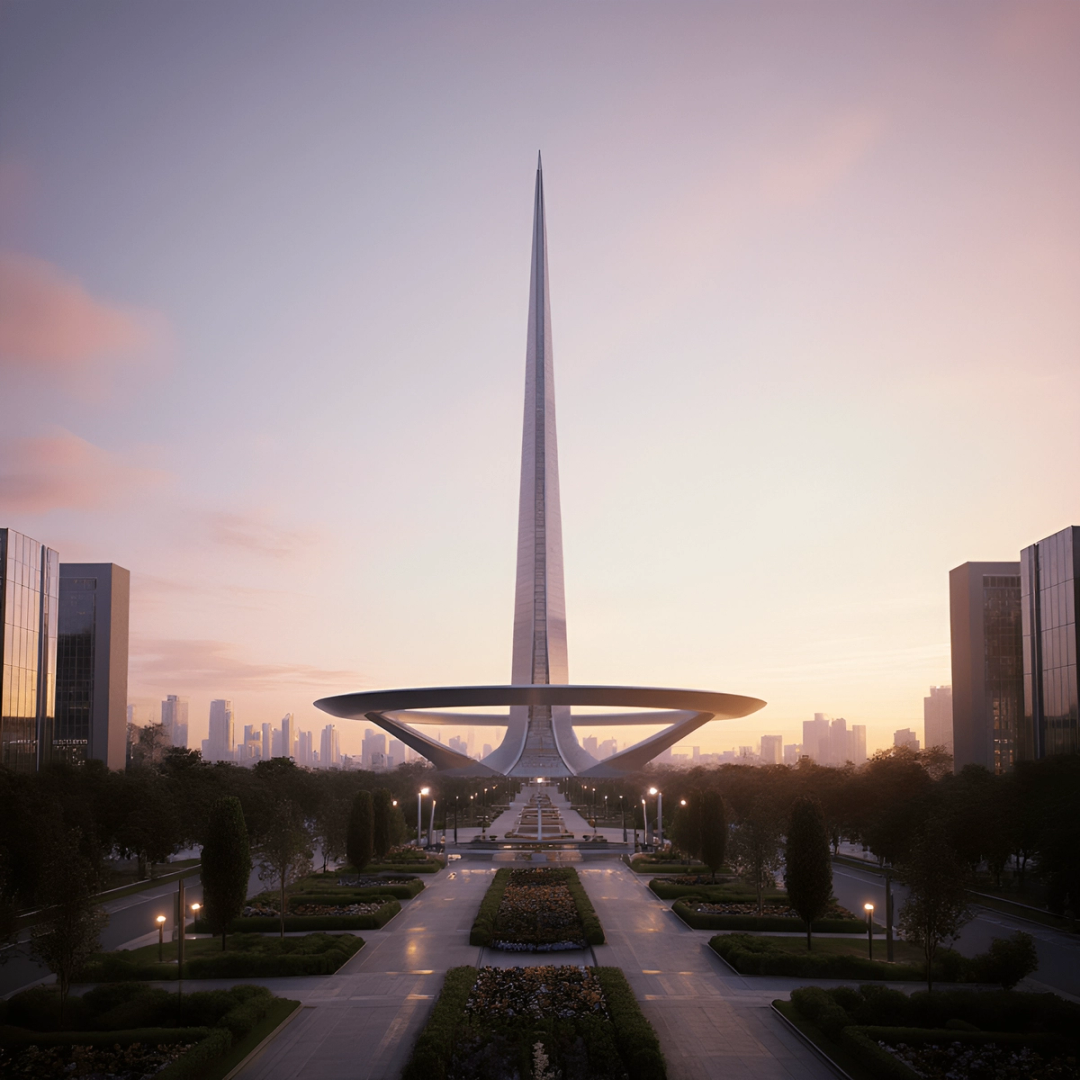
The myth that 3D rendering is only for big companies
A decade ago, a single professional 3D render could cost thousands of dollars. That’s no longer true.
According to CGArchitect (2024), the average cost of a high-resolution 3D render has dropped by nearly 60% in the past five years, thanks to advances in software and GPU technology. Tools like Blender, Unreal Engine, and Twinmotion have made 3D creation faster, more intuitive, and more accessible.
And here’s the kicker: 78% of SMBs in e-commerce say that improving their visuals has directly boosted their conversion rates. In other words, 3D isn’t a luxury anymore, it’s a competitive advantage.
Where the 3D budget really goes
Every 3D project involves three main cost areas: modeling, rendering, and post-production. Missteps during planning can easily inflate costs, redoing models, retexturing, or constant revisions.
We always recommend that small businesses start small: one product, one room, or one key visual. Once the visual direction is established, it’s much easier (and cheaper) to scale to a full series.
On average, our clients cut initial expenses by around 35% simply by structuring their first project strategically.
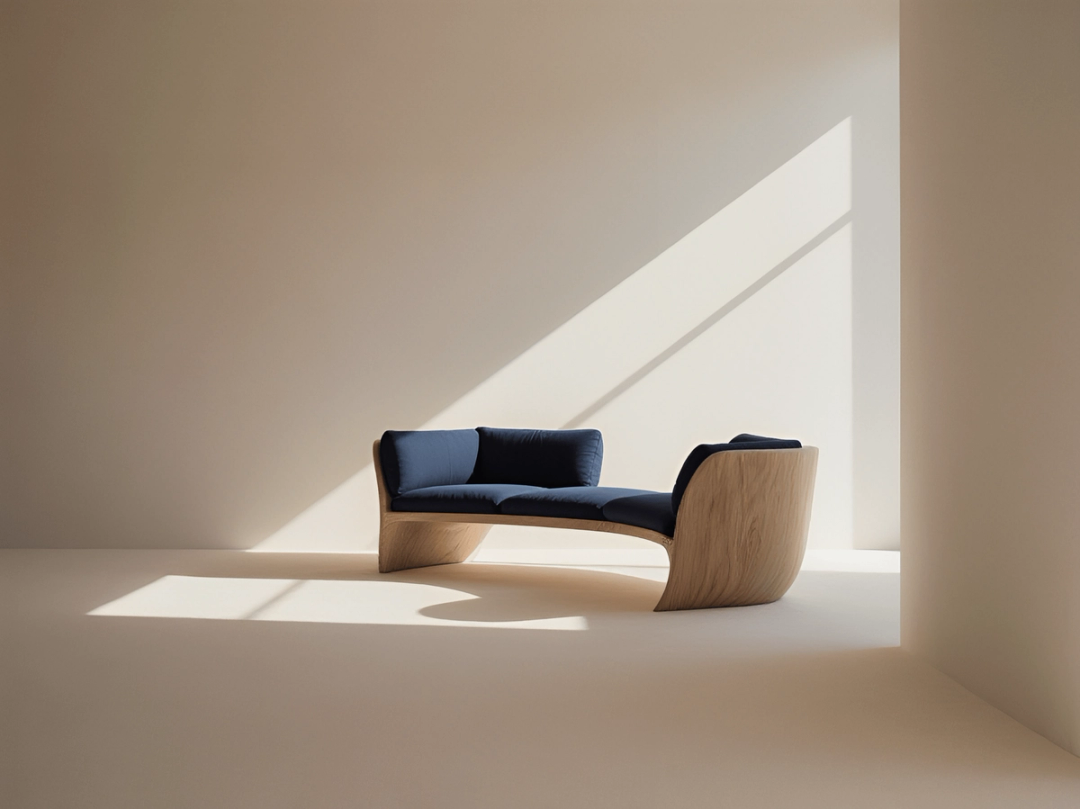

The best tools to get started
Today, there’s no shortage of powerful, affordable 3D tools available:
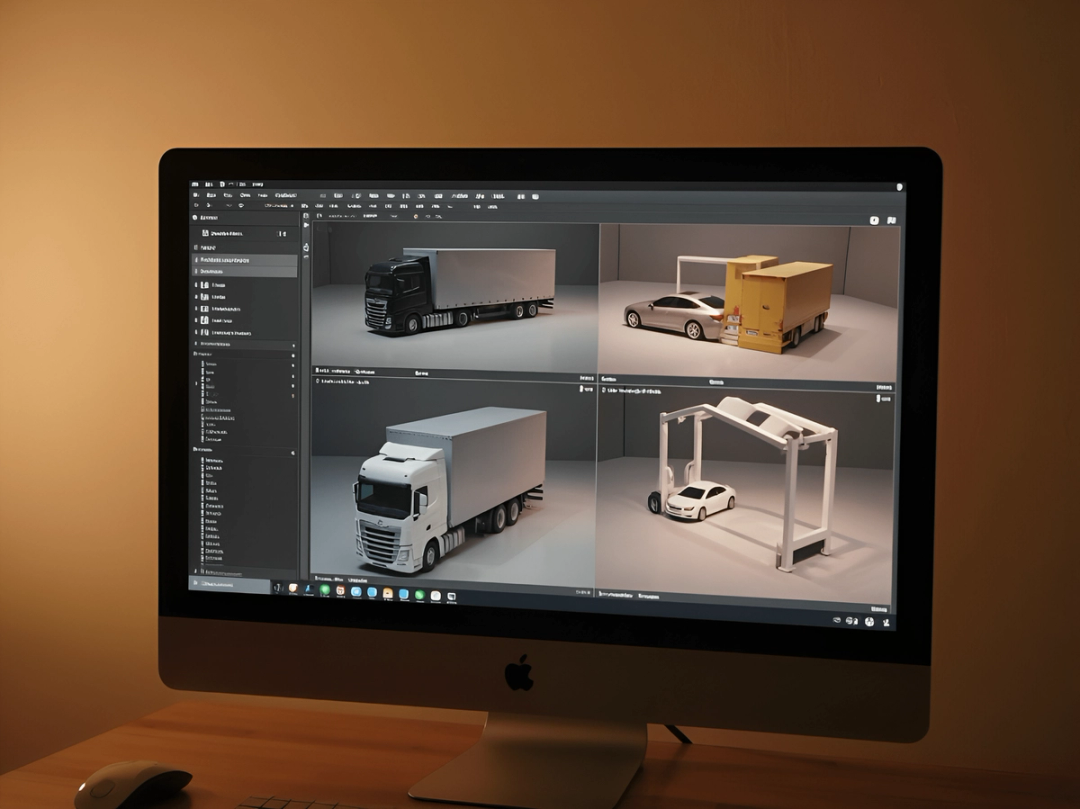
- Blender (free, open-source): perfect for modeling and rendering with zero license costs.
- SketchUp Free: great for architecture and interior design.
- Twinmotion: ideal for fast, immersive, and photorealistic renders.
Many small businesses adopt a hybrid model, handling simple modeling tasks internally, then partnering with a specialized studio for the artistic and technical side. This approach combines cost control with professional quality and ensures consistent results across all visuals.
Cutting costs without cutting corners
The secret to affordable 3D production lies in reuse and optimization.
A 3D object modeled once can be repurposed across multiple scenes, angles, and materials. A single environment can serve as a backdrop for several product lines.
At Lumia, we use a 3D asset library approach, textures, lighting setups, and props are reused across projects, reducing production time by up to 50% for recurring visuals.
Cloud-based render farms also make it possible to produce ultra-realistic images within hours, for just a fraction of the traditional cost.
Work with a partner, not just a provider
Many small businesses outsource 3D work “on demand,” without a long-term strategy, and that’s a costly mistake.
Collaborating with a trusted studio means you can plan ahead, maintain visual consistency, and optimize production over time.
We partner with clients long-term, from the very first render to building a complete visual ecosystem. This sustainable approach prevents starting from scratch for every campaign and can halve rendering costs by the third collaboration.
Think of 3D rendering as an investment, not an expense
3D visuals aren’t a cost, they’re a conversion tool.
Immersive product visuals can increase click-through rates by 30–50%, according to Shopify Insights (2024).
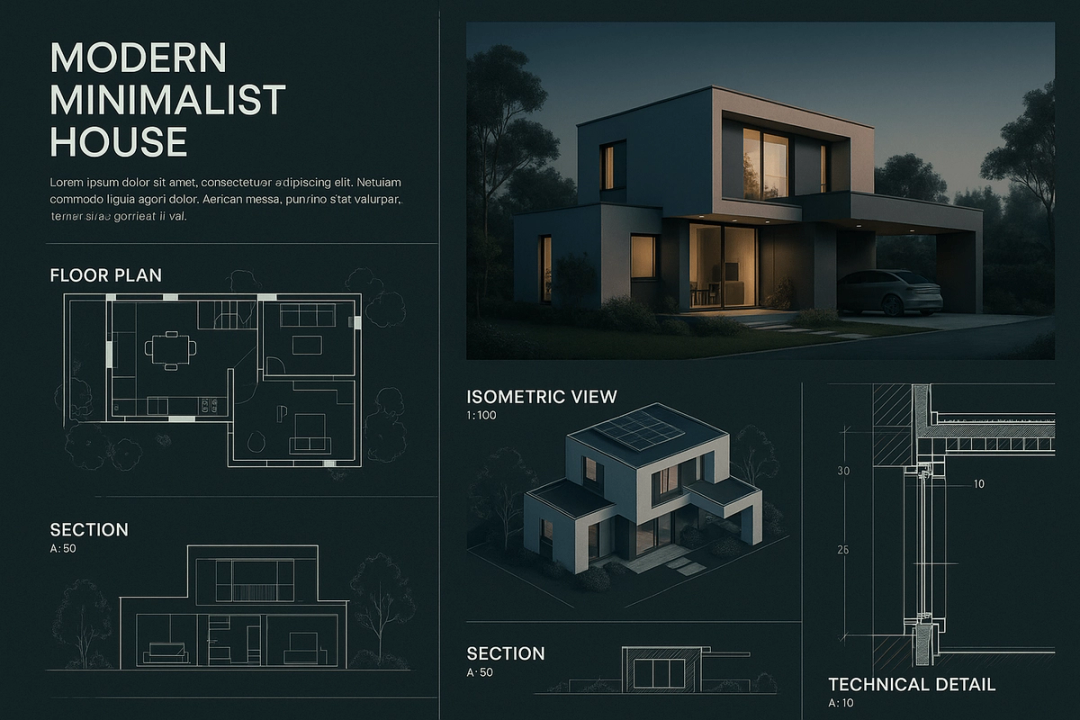
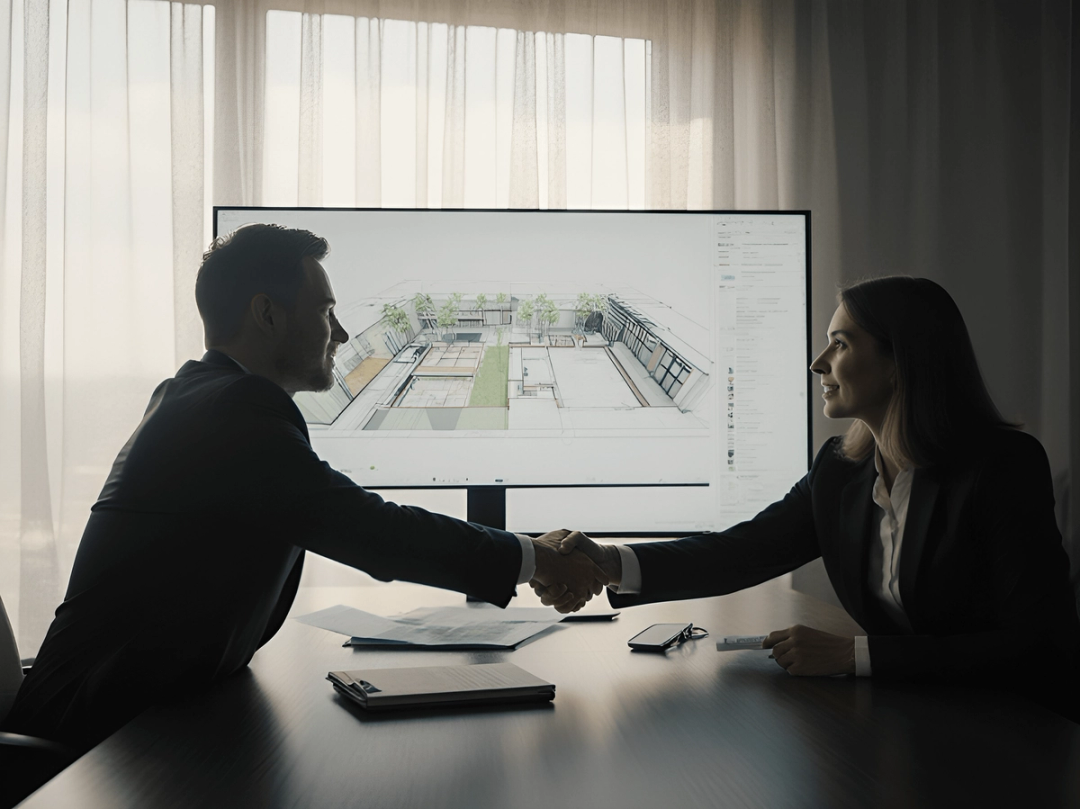
In architecture, realistic 3D visuals help clients visualize projects before construction, drastically reducing costly revisions.
Investing in 3D means saving time, improving brand consistency, and boosting perceived value, key factors for any business looking to inspire trust and stand out.
Affordable 3D rendering is no longer a dream, it’s a real opportunity.
With the rise of accessible tools, lower production costs, and dedicated studios like Lumia, small businesses can now compete visually with industry giants.
Start small, plan smart, and build on every success: that’s how to make 3D a lasting, profitable part of your marketing strategy.
The future of visual communication belongs to those who can tell their story in three dimensions, with creativity, precision, and authenticity.
Want to explore what 3D can bring to your brand?
Contact us for support tailored to your project.