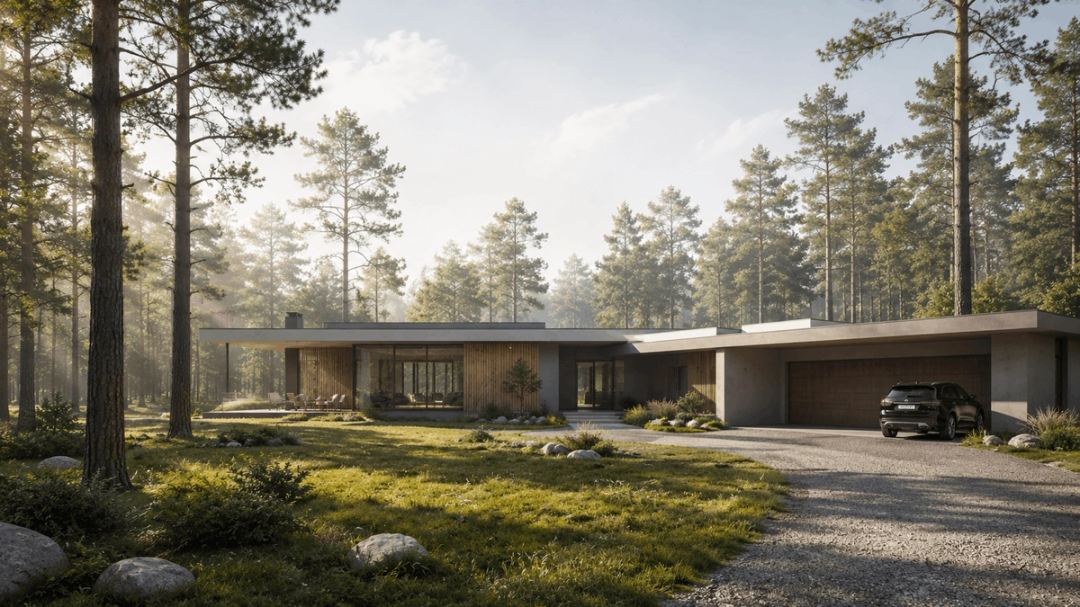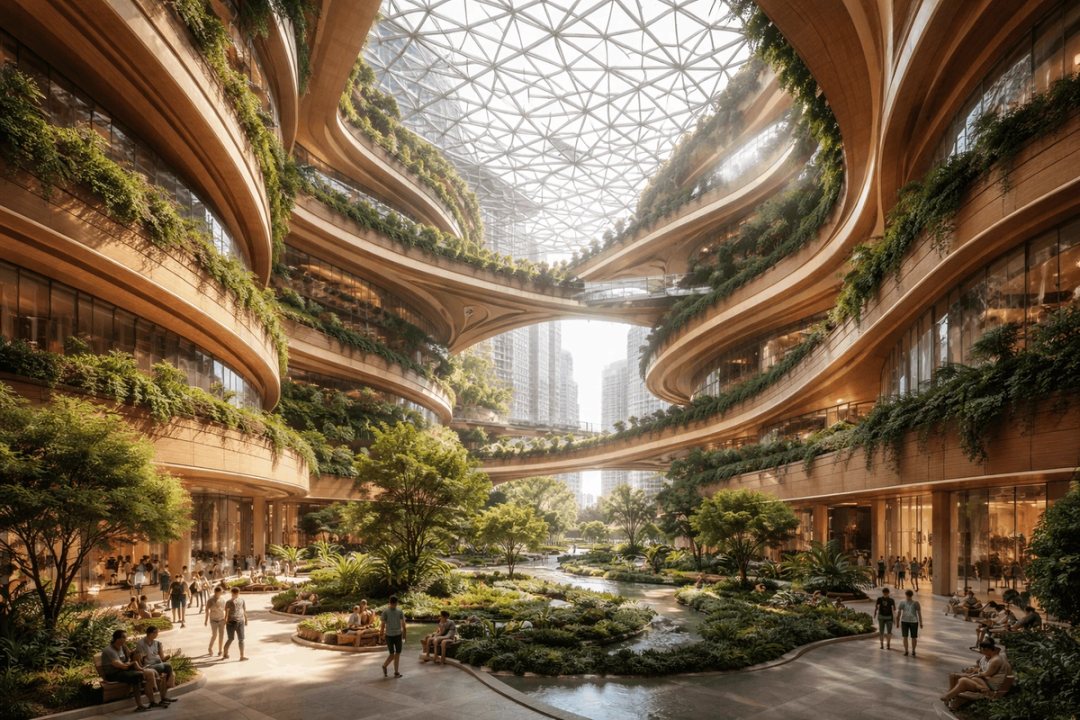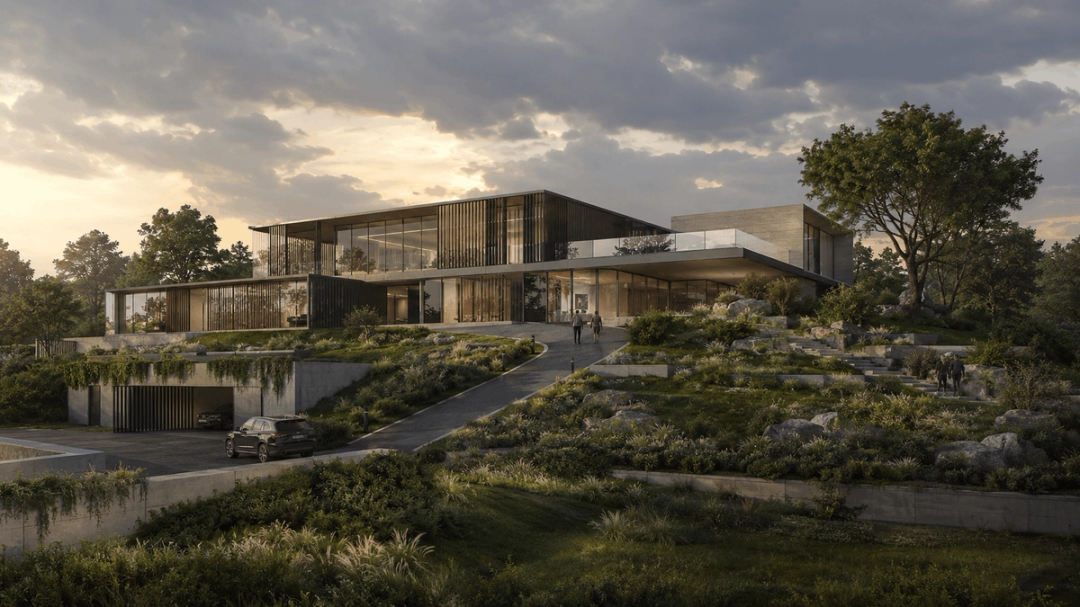
Architectural visualization is designed to support pre-construction sales, strengthen project credibility, and transform architecture into compelling visual experiences before construction even begins.
Why pre-construction sales have become essential
In today’s real estate market, selling before construction is often critical to securing financing, validating demand, and accelerating development timelines.
Many projects now reach significant pre-sale milestones before the first phase of construction even starts. In some markets, developers aim to sell more than 50 percent of units before breaking ground.
This shift changes how projects need to be presented. Since the building does not yet exist physically, marketing becomes the primary connection between buyers and the future development.
Visual communication therefore plays a much larger role than simple presentation. Its purpose is to make the future feel tangible.
Emotional projection sells before architecture does
Buyers rarely make real estate decisions based on logic alone. They want to imagine themselves inside the future space.
A strong rendering does more than show walls, materials, or floor plans. It creates atmosphere. Lighting, composition, textures, and mood all contribute to emotional projection.
In luxury real estate especially, this emotional dimension becomes central. Successful projects do not simply sell apartments. They sell:
- calm,
- exclusivity,
- comfort,
- prestige,
- and lifestyle.
Research in consumer psychology consistently shows that emotional response heavily influences purchasing behavior before rational evaluation begins.
Visuals become emotional triggers that shape how buyers perceive value long before construction exists physically.
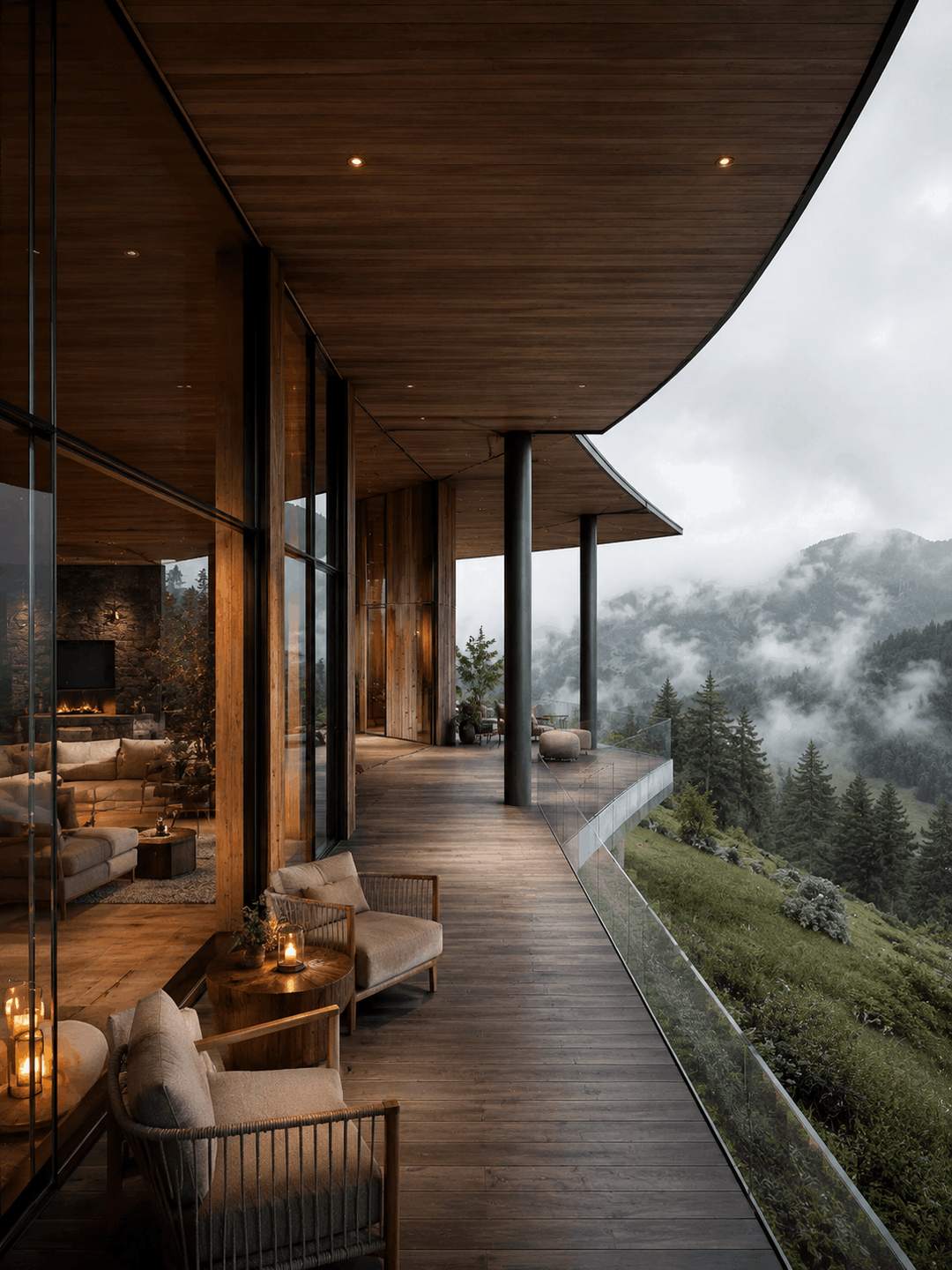
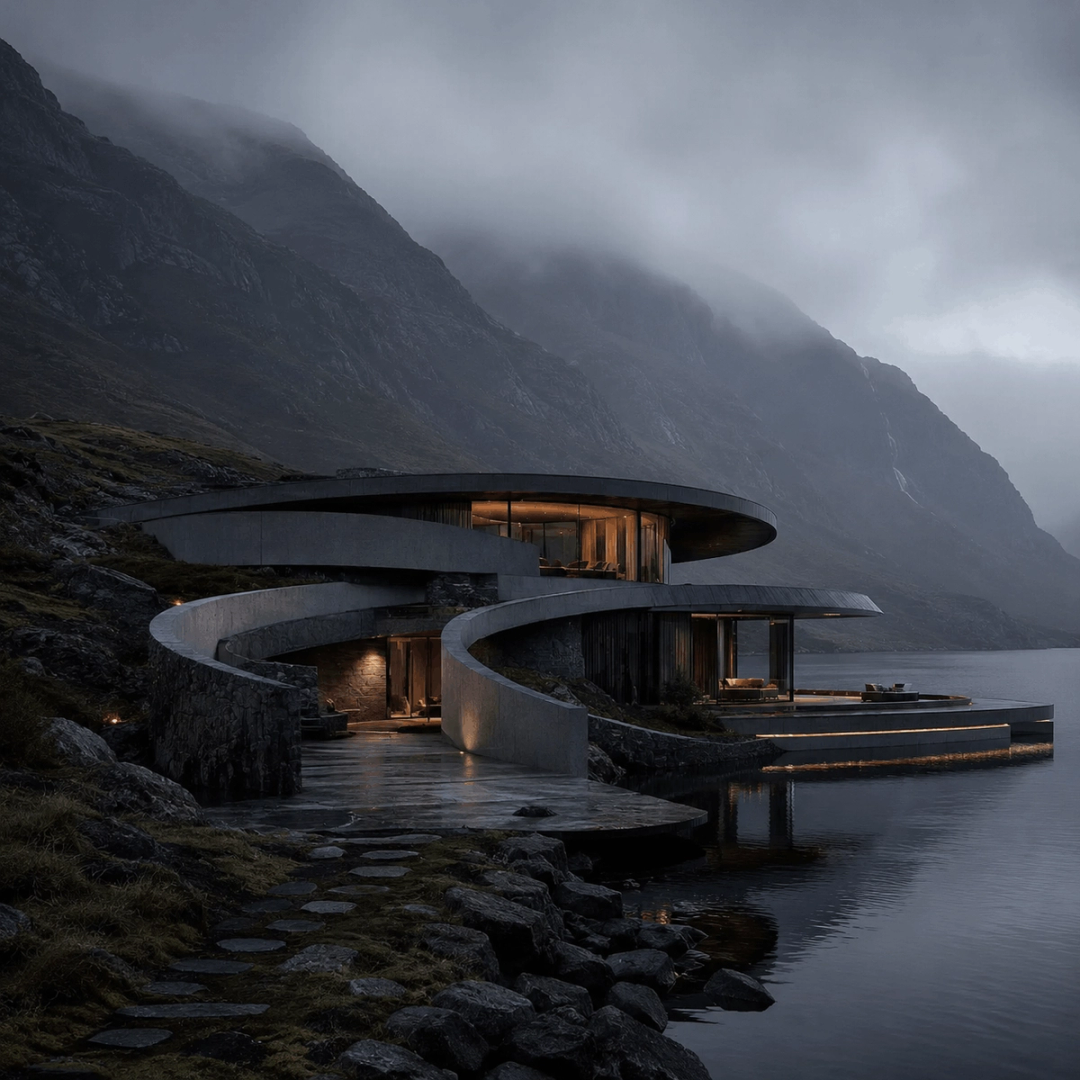
3D renderings reduce uncertainty
One of the biggest challenges in pre-construction sales is uncertainty. Buyers want reassurance.
They want to understand:
- how the building will actually feel,
- how natural light will enter the spaces,
- how materials will interact,
- what the environment will look like,
- and whether the project truly matches the promise being communicated.
Photorealistic 3D renderings reduce the gap between imagination and reality.
According to the National Association of Realtors, immersive visual content significantly increases buyer engagement and improves understanding of real estate projects.
The more concrete a project feels visually, the more confidence buyers develop. Today, renderings are no longer simple illustrations. They are credibility tools.
Immersive experiences are transforming real estate marketing
The industry is rapidly moving toward increasingly immersive experiences.
Virtual tours, cinematic animations, interactive experiences, and real-time walkthroughs now allow buyers to explore projects before construction even begins.
These tools provide several advantages:
- clearer understanding of spaces,
- higher engagement,
- stronger memorability,
- and differentiation in highly competitive markets.
Some international developments now integrate immersive sales centers where clients can walk virtually through future apartments using large scale digital environments or VR experiences.
This evolution is transforming real estate sales into a visual experience rather than a simple presentation.

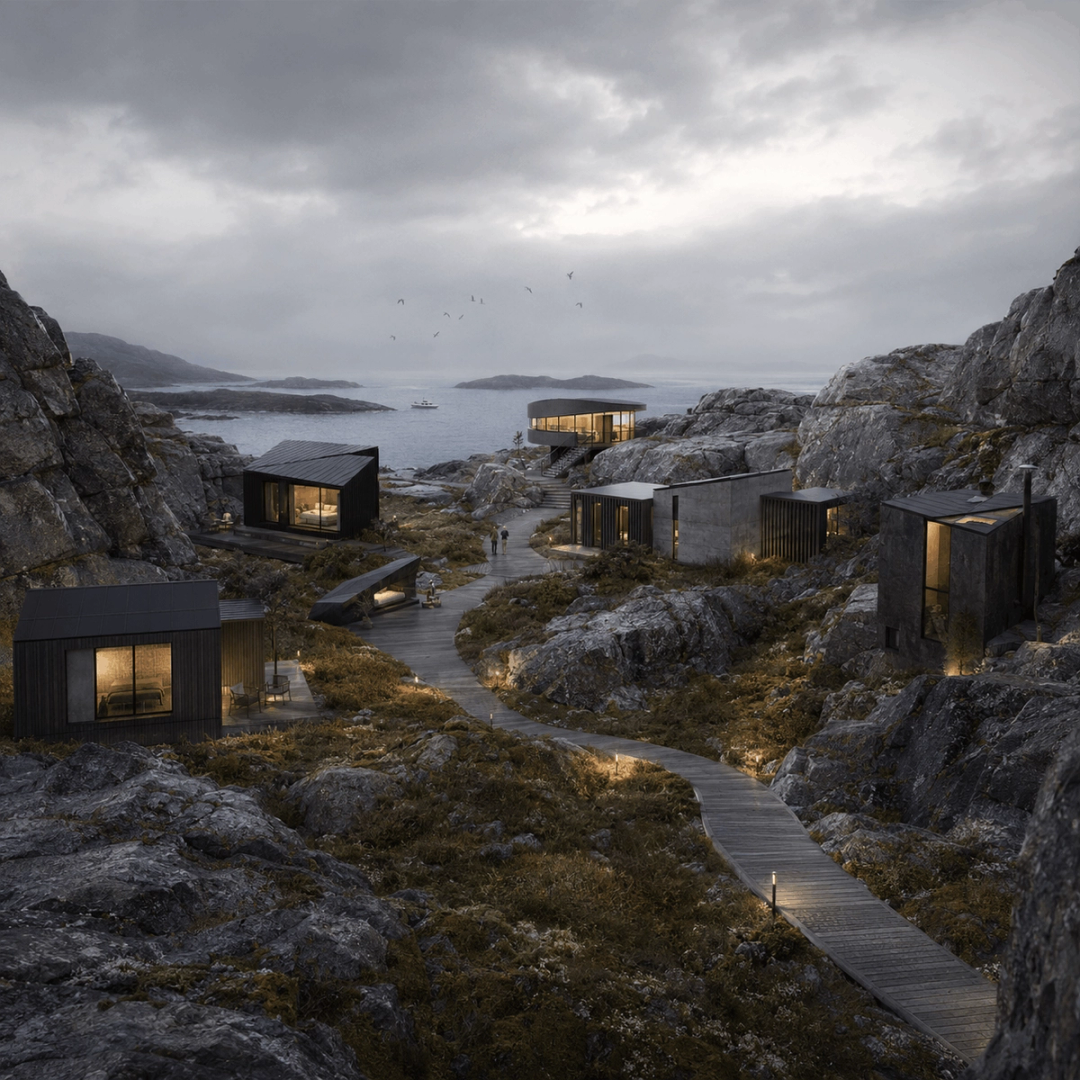
Visual consistency strengthens project credibility
A single rendering is rarely enough to build strong perception.
The credibility of a real estate project also depends on consistency across:
- branding,
- website design,
- brochures,
- presentations,
- advertising visuals,
- social media,
- and sales environments.
The strongest developments create unified visual systems that communicate the same atmosphere and positioning across every touchpoint.
According to Lucidpress, consistent visual branding can increase revenue by more than 20 percent.
In real estate, consistency reinforces professionalism and helps buyers perceive the project as stable, reliable, and thoughtfully developed.
Selling the experience before construction starts
The most successful developers no longer sell floor plans alone. They build complete experiences around their projects.
Modern real estate marketing combines:
- architectural visualization,
- storytelling,
- branding,
- user experience,
- art direction,
- and immersive content.
Every visual element contributes to shaping perception before construction begins.
At Lumia, architectural visualization is approached as a strategic communication tool designed to support pre-sales, reinforce perceived value, and help future buyers emotionally connect with spaces that do not yet physically exist.
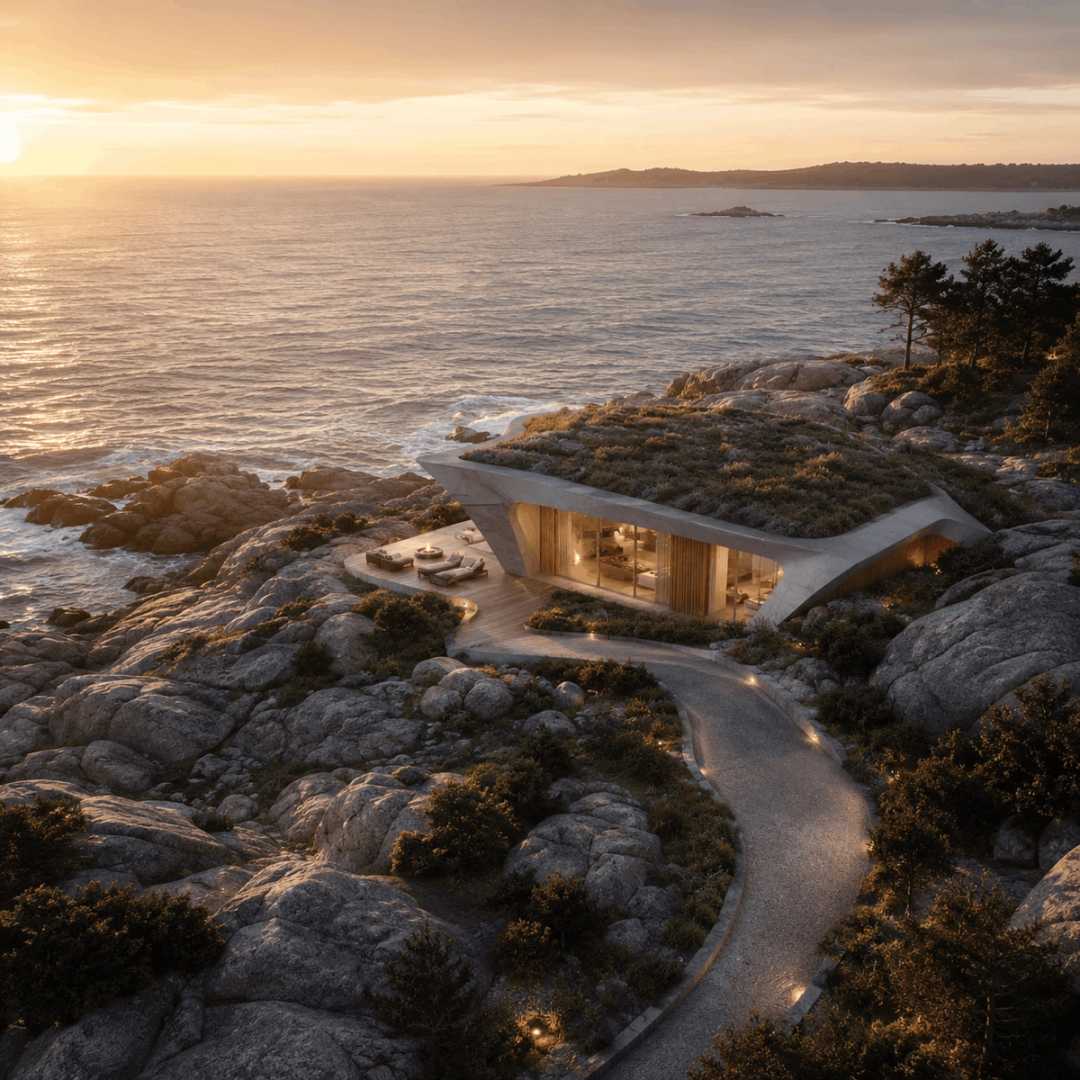
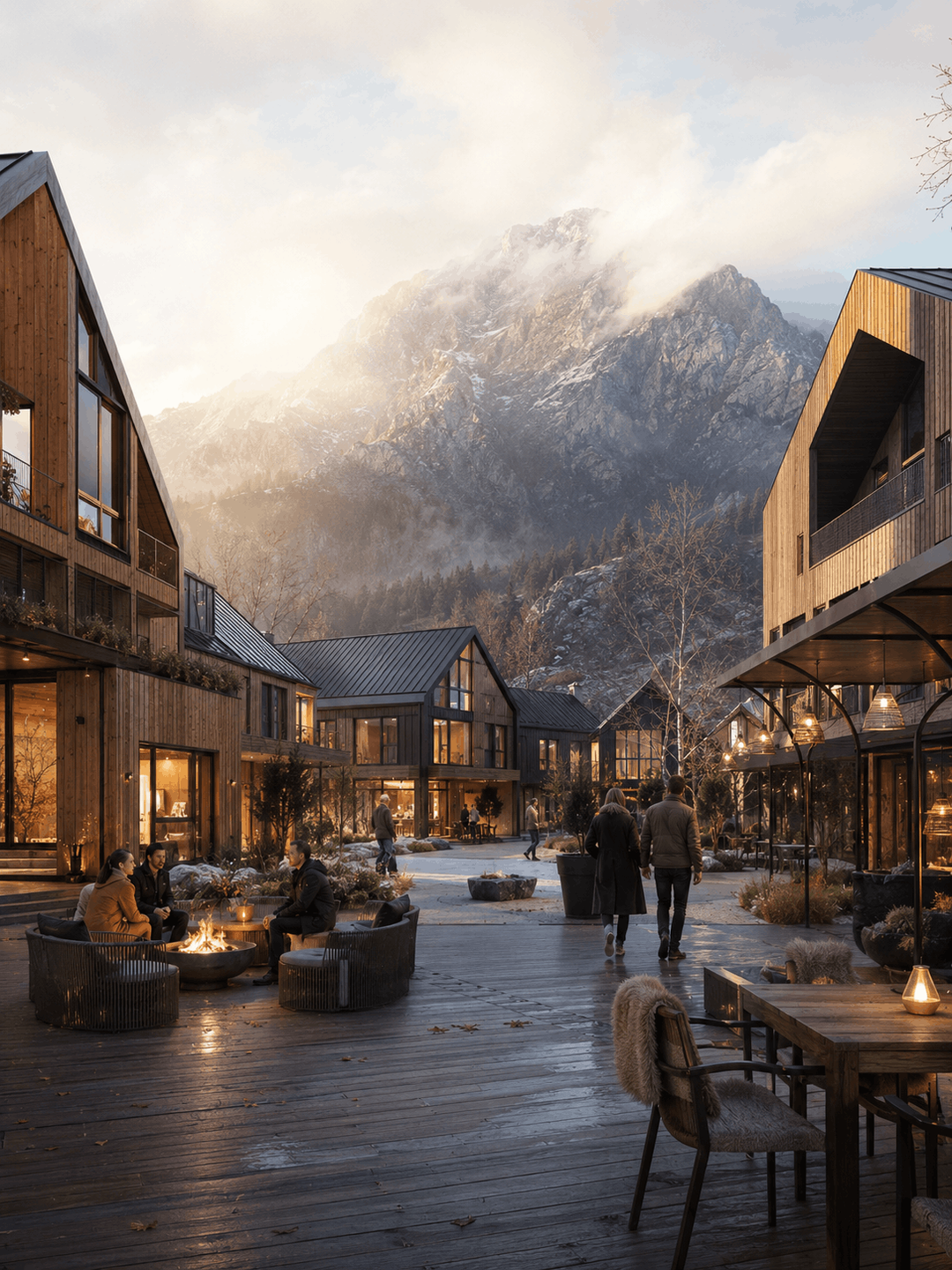
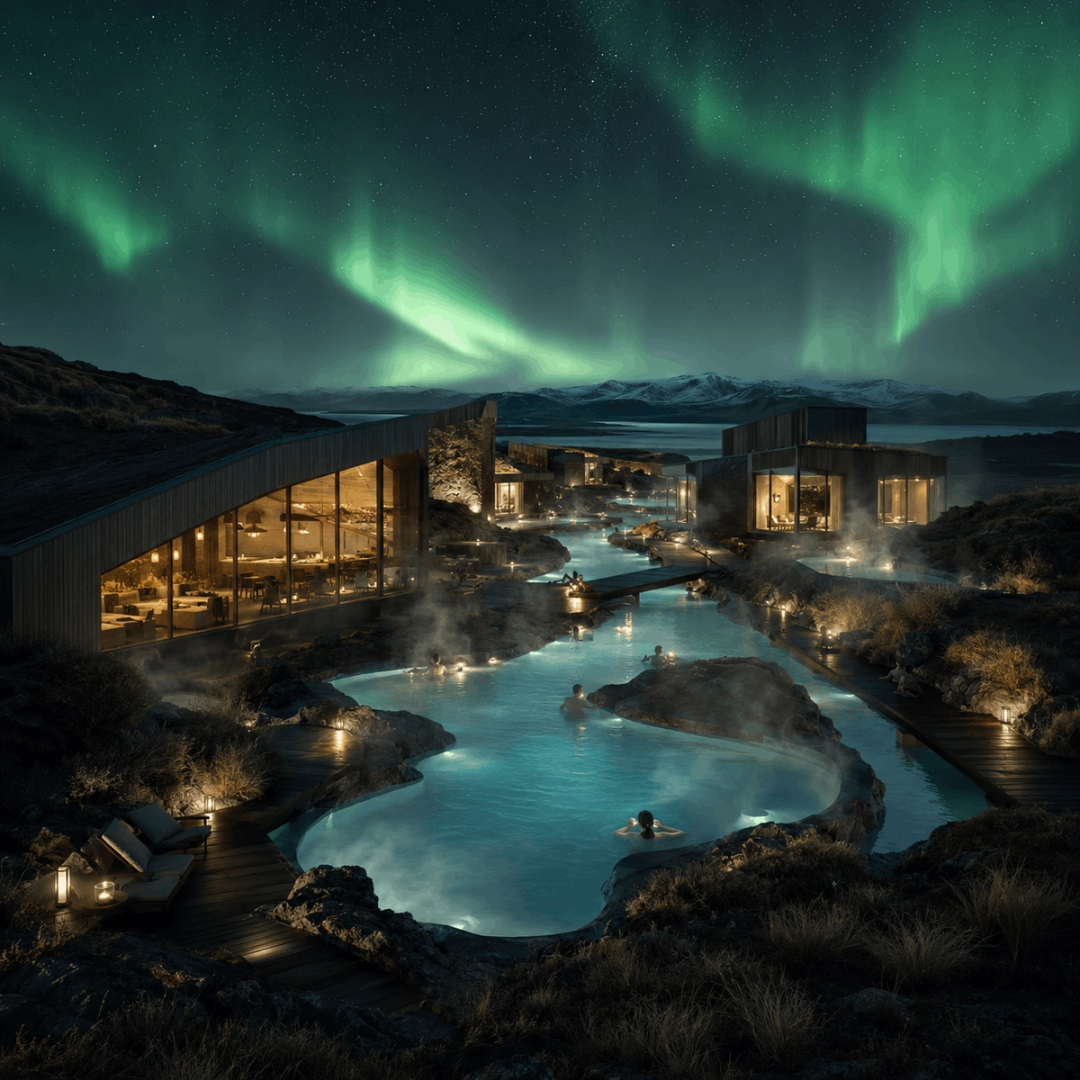
Selling a real estate project before construction once seemed reserved for large scale developers with massive marketing budgets. Today, pre-construction sales have become a standard strategy across the industry. Residential towers, mixed-use developments, and luxury projects are often marketed months or even years before completion.
But selling something that does not physically exist creates an obvious challenge. How do you convince buyers to invest in a space they cannot visit, touch, or experience yet?
The answer lies in projection. Modern real estate marketing no longer sells square footage alone. It sells atmosphere, lifestyle, confidence, and a believable vision of the future.
In this context, visuals have become strategic commercial tools capable of reducing uncertainty, strengthening trust, and accelerating decision-making long before construction begins.