
How much does a 3D product rendering cost in 2026?
June 9, 2026
Whether it is a consumer product, a piece of furniture, an electronic device, or packaging designed for e-commerce, visual quality directly influences perceived value. Today, more brands are investing in 3D product rendering to showcase products before manufacturing, reduce the costs associated with traditional photography, or create marketing visuals that would be difficult or impossible to produce in a physical studio.
But one question comes up consistently: how much does a 3D product rendering actually cost?
As with architectural visualization, there is no universal price. Costs can range from a few hundred dollars to several thousand dollars depending on the level of detail, the complexity of the product, and the marketing objectives behind the project.
Understanding what drives these costs allows businesses to invest more effectively and choose the solution that best aligns with their goals.

What are you actually paying for?
When a company commissions a 3D product rendering, it is not simply paying for a final image.
The cost typically includes multiple stages:
- 3D modeling,
- material creation,
- texturing,
- lighting,
- composition,
- rendering,
- post-production,
- art direction.
Depending on the product, some stages can represent a significant portion of the production time.
For example, a wine bottle requires careful attention to glass, liquid simulation, reflections, labels, and fine details.
A bathroom vanity may require extensive work on wood materials, realistic finishes, hardware components, and environmental integration.
The final cost depends as much on product complexity as it does on the desired visual quality.

How much does a 3D product rendering actually cost?
While every project is unique, certain pricing ranges are commonly found throughout the industry.
Simple product on a white background
Examples:
- bottles,
- cosmetics,
- packaging,
- small electronics.
Typical pricing: $200 to $600 USD per image. These visuals are commonly used for e-commerce product pages, catalogs, and online marketplaces.
Complex product on a white background
Examples:
- furniture,
- industrial equipment,
- products with multiple materials or moving parts.
Typical pricing: $600 to $1,500 USD per image. As modeling complexity increases, production time rises significantly.
Lifestyle or marketing renderings
Examples:
- cosmetics displayed in a premium environment,
- beverage packaging within a branded scene,
- food products integrated into realistic settings.
Typical pricing: $800 to $3,000 USD per image. At this level, the work goes far beyond simply showing the product. The objective is to create atmosphere, tell a story, and reinforce brand positioning.
3D product animation
Examples:
- product rotations,
- exploded technical views,
- commercial advertisements,
- assembly demonstrations.
Typical pricing: $1,500 to $15,000 USD or more. Costs vary significantly depending on duration, complexity, animation requirements, and visual effects.

3. Why do some renderings cost significantly more?
Two images can showcase the exact same product while requiring completely different production budgets.
The difference often comes down to:
- realism,
- material accuracy,
- lighting quality,
- liquid simulations,
- visual effects,
- art direction,
- post-production.
Consider a luxury perfume bottle. A rendering designed for an Amazon product page may require only a simple white background and standard lighting. The same bottle used in a global advertising campaign could involve:
- advanced art direction,
- multiple visual concepts,
- complex simulations,
- custom environments,
- dozens of additional production hours.
The product remains the same. The marketing objective does not.

Is 3D rendering cheaper than photography?
The answer depends on the situation.
For a single product that already exists physically, photography often remains competitive from a cost perspective.
However, 3D becomes particularly attractive when:
- the product has not yet been manufactured,
- multiple variations are required,
- numerous viewing angles are needed,
- color variations must be generated,
- animations are part of the marketing strategy,
- content needs to be updated regularly.
Once a 3D model exists, an almost unlimited number of visuals can be created without organizing additional photoshoots.
This is one reason why furniture brands, cosmetic companies, and consumer product manufacturers continue to increase their investment in 3D visualization.

Mistakes to avoid when comparing prices
Comparing providers based solely on price is often misleading.
Two studios can offer similar pricing while delivering dramatically different results.
Before comparing costs, consider:
- portfolio quality,
- material realism,
- visual consistency,
- art direction,
- industry experience,
- delivery timelines,
- revision policies.
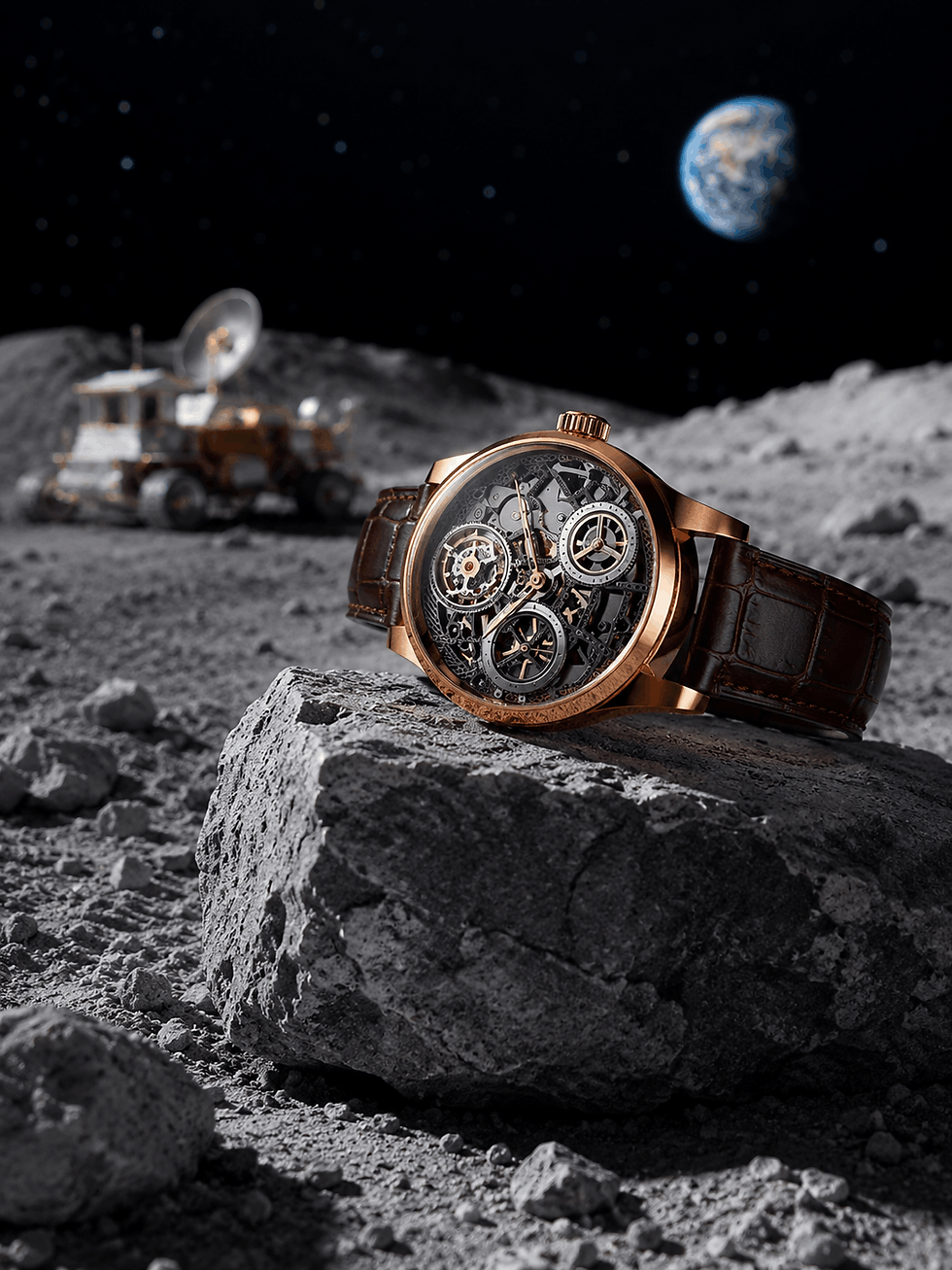
A product rendering directly influences how customers perceive the product itself. Average visuals can weaken a premium brand. Exceptional visuals can significantly increase perceived value.
The return on investment of 3D product rendering
The true cost of a rendering should never be evaluated in isolation.
The more important question is:
What impact will these visuals have on sales, brand credibility, and customer perception?
Multiple e-commerce studies have shown that high-quality product imagery generates significantly higher engagement than average visuals.
Customers cannot physically touch or experience a product online. As a result, visuals become one of the most influential factors in the purchasing decision.
Every product rendering should be designed as a marketing asset intended to support sales, strengthen perceived quality, and elevate brand positioning.

The cost of a 3D product rendering depends on numerous factors, including product complexity, realism, art direction, marketing objectives, and content volume.
In 2026, pricing typically ranges from a few hundred dollars to several thousand dollars depending on the scope of the project.
But beyond cost, the most important consideration is value.
A successful product rendering does more than showcase an object. It shapes perception, strengthens credibility, and directly contributes to how a product is marketed and sold.
At Lumia, every visualization is approached as a strategic investment designed to transform products into compelling visual experiences.




A project in mind?
Brief us!
Let’s start the conversation.
Tell us about your project and let’s bring it to life.