
From idea to final visual: understanding the creative process
March 23, 2026
Strong visuals rarely happen by accident. Behind every compelling image lies a structured process that transforms an abstract idea into a clear visual message. The goal is not simply to create something visually appealing, but to translate intention into meaning. A successful visual communicates purpose, builds trust, and aligns with a broader strategy.
Understanding how a visual is created helps businesses collaborate more effectively with creative studios, reduce uncertainty during production, and achieve results that remain consistent over time. Whether working on architectural renderings, marketing materials, or brand visuals, the creative process follows a logic that combines analysis, design thinking, and precision.
This article explores the key stages that transform an idea into a visual asset capable of supporting real business objectives.

Defining the objective before thinking about the image
Every effective visual begins with clarity of purpose. Before discussing style or composition, it is essential to define what the visual needs to accomplish. Should it persuade, explain, attract attention, or reinforce credibility.
Research from McKinsey shows that companies aligning creative output with clear strategic objectives achieve significantly stronger engagement results. When the purpose is defined early, visual decisions become more intentional and more effective.
A rendering designed to present a real estate project does not follow the same logic as a visual meant to position a brand as premium. Context shapes visual direction.
This initial step ensures that every visual responds to a precise communication need rather than an abstract aesthetic preference.

Defining the objective before thinking about the image
Once the objective is clear, the next step is defining the art direction. Art direction establishes the visual tone and emotional atmosphere. It determines whether the image feels minimal, immersive, expressive, or restrained.
Lighting, framing, color palette, and composition all contribute to this stage. Each choice influences how the audience interprets the message.
For example, architectural visuals with soft natural light often evoke openness and calm. More contrasted environments can reinforce a sense of exclusivity or authority.
Reference images often help align expectations between the client and the creative studio. These references reduce uncertainty and create a shared understanding of the visual language.

Building the visual structure
After defining direction, structure gives form to the image. Composition determines how information is perceived and in what order it is understood.
Studies on visual perception show that users naturally follow predictable reading patterns, often scanning content in structured sequences. Visual hierarchy helps guide attention without requiring conscious effort.
In 3D rendering, this structure may involve camera positioning, depth, balance between foreground and background, and control of empty space.
In marketing materials, structure appears through typography hierarchy, layout rhythm, and balance between image and text.
A well structured visual reduces cognitive effort and improves comprehension speed.

Credibility is built through detail
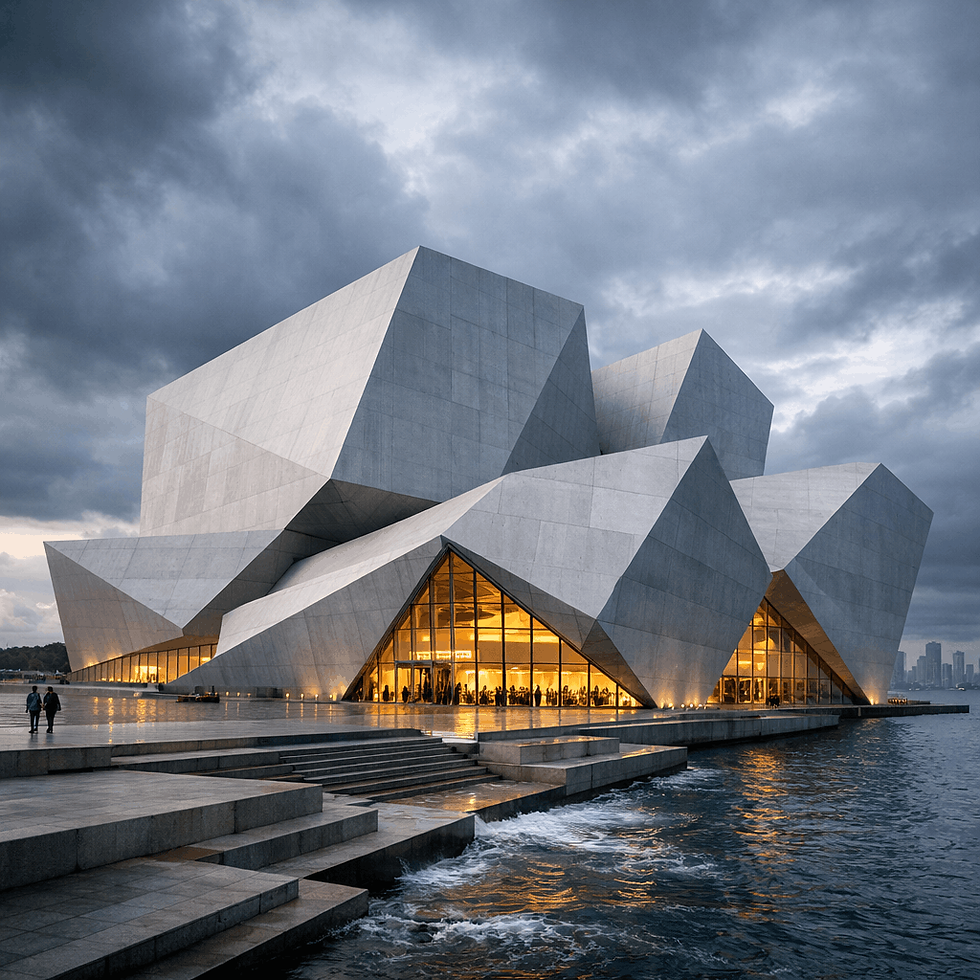
Visual credibility often depends on elements that remain almost invisible at first glance. Texture consistency, material realism, accurate proportions, lighting coherence, and alignment precision all contribute to the perception of quality.
Research from Stanford shows that more than 75 percent of users evaluate a company’s credibility based on visual design quality.
Small inconsistencies can disrupt the perception of professionalism. Conversely, refined details create a sense of mastery and reliability.
Precision is not only technical. It is strategic. Details reinforce trust before any explanation takes place.
Iteration refines the message
Creative work rarely reaches its strongest form in a single step. Iteration allows the visual to evolve toward greater clarity and impact.
Adjustments may involve contrast balance, readability, visual weight distribution, or tonal consistency. These refinements help ensure that the final visual aligns with both the initial intention and the practical context in which it will be used.
Iteration should not be seen as correction. It is part of the process that transforms direction into precision.
Progressive refinement ensures that the final result communicates effectively in real conditions.

Integrating the visual into a larger system
A single visual rarely operates alone. It usually interacts with other communication elements such as websites, presentations, printed materials, or digital campaigns.
Consistency across these touchpoints strengthens recognition and reinforces trust. According to Lucidpress, consistent brand presentation can increase revenue by more than 20 percent.
Designing visuals within a broader system ensures long term coherence. Instead of creating isolated assets, companies build visual continuity that supports their positioning over time.
Each of our project is conceived as part of a visual ecosystem rather than a standalone deliverable.

The creative process is not simply about producing an attractive image. It is about transforming an idea into a visual structure that communicates clearly and performs consistently.
From defining objectives to building visual systems, each step contributes to clarity, credibility, and recognition. Understanding this process improves collaboration and leads to more stable and scalable visual outcomes.
At Lumia, every visual is approached as a balance between intention, structure, and precision. Because effective visuals do more than attract attention. They support decisions, strengthen perception, and build lasting confidence.




A project in mind?
Brief us!
Let’s start the conversation.
Tell us about your project and let’s bring it to life.